How to Customize Soccer Jerseys Right
A rushed jersey order usually looks rushed. Numbers peel, colors clash, sizing gets messy, and the team walks onto the field looking more random than united. If you're figuring out how to customize soccer jerseys, the goal is not just to put a logo on a shirt. The goal is to build a clean, durable kit that looks organized, fits well, and gives your club, school, or league team a real identity.
That starts with better decisions before you place the order. The best custom jerseys are not always the loudest or the most expensive. They are the ones that balance design, comfort, durability, and budget without slowing down your timeline.
How to customize soccer jerseys without mistakes
The first step is knowing who the jerseys are for and how they will be used. A youth rec team, a high school program, and a competitive club do not need the exact same build. If your team plays multiple seasons, travels often, or needs sponsor visibility, your customization choices should reflect that from the start.
Begin with the basics - team colors, logo placement, player names, numbers, and sizing. That sounds simple, but most order problems happen here. Teams either overdesign the jersey with too many elements or skip details that matter later, like matching shorts, goalie colors, or alternate kits.
A smart order starts with one clear plan. Decide whether you want a modern, classic, or retro look. Then keep every customization choice working toward that style. When the design direction is clear, everything from the collar to the sleeve trim feels intentional.
Start with colors that work on the field
Team colors carry the whole jersey. They affect how professional the kit looks, how easy numbers are to read, and how recognizable your team is from the stands. Pick a primary color first, then choose one or two support colors. More than that can start to look busy unless the design is very disciplined.
Contrast matters more than many teams expect. Dark numbers on a dark jersey or light numbers on a pale background create visibility problems. That is bad for officials, fans, and game footage. If readability matters, and it usually does, keep strong contrast between the body color and the number color.
This is also where sublimation makes a difference. Instead of layering graphics on top of the fabric, sublimation bonds the design into the material. That gives you more freedom with patterns, fades, striping, and side panel details without the heavy feel or cracking that can come with lower-end decoration methods.
Choose logo placement with purpose
Every team wants its logo front and center, but placement still needs balance. A chest logo is the standard choice because it is visible and familiar. A smaller crest-style placement can look cleaner and more premium, especially for school teams and clubs that want a polished identity.
If you have sponsors, avoid turning the jersey into a billboard. One well-placed sponsor mark can work. Too many can crowd the design and compete with the team brand. It depends on your league rules, your audience, and whether the jerseys are meant for match play only or broader teamwear use.
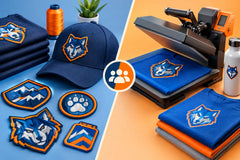
For some programs, adding an embroidered patch gives a stronger traditional look. For others, full sublimated graphics keep the jersey lighter and easier to reproduce across larger team orders. The right option depends on your budget, your deadline, and the finish you want.
Names and numbers should never feel like an afterthought
Custom names and numbers are where the jersey becomes personal. They are also one of the easiest areas to get wrong. Font style, size, color, and placement all affect the final result.
Stick with a font that matches the team identity but still reads clearly from a distance. Sharp, aggressive fonts may look exciting in a mockup, but if they are hard to read under stadium lights or on the move, they work against you. Clean and athletic usually wins.
Number size should follow league standards if your team plays in organized competition. For names, make sure spacing works across different last-name lengths. A short name and a long name should still look consistent on the same roster. That is where a good mockup process saves time and prevents surprises.
Double-check every spelling, every number assignment, and every player line before production starts. One typo on a roster can turn into a costly fix, especially on bulk orders.
Fit and sizing can make or break the order
Even the best design falls flat if the fit is off. Coaches and team managers should never guess sizing based on one brand and assume it transfers to another. US sizing matters, especially when ordering for mixed age groups, school teams, or clubs with men, women, and youth rosters.
Ask for a clear size breakdown early. Collect player sizes in one sheet and build in a little buffer for late additions if your season is still forming. For competitive teams, a more athletic fit may feel right. For rec leagues, schools, or fan gear, a slightly more relaxed fit can be the safer call.
It also helps to think beyond the jersey alone. If you are ordering matching shorts, warmups, tracksuits, polos, or hoodies, keep the fit profile consistent across the full set. A unified team look is not just about color. It is about how everything wears together.
Pick the right customization level for your budget
Not every team needs every upgrade. The smartest buyers know where to spend and where to simplify.
If your main priority is game-day identity, focus your budget on strong jersey design, durable numbers, and accurate sizing. If your program also wants sponsor exposure, travel presence, or a stronger club image, then coordinated extras like goalie kits, staff polos, and supporter gear can add real value.
This is where bulk pricing and team discounts matter. A slightly larger order can often improve the per-piece cost enough to make custom additions more affordable. That is especially useful for schools, clubs, and league organizers ordering for multiple squads at once.
At the same time, speed matters. If your season starts soon, choose a supplier that can move quickly without cutting corners. Free mockups, direct communication, and a clear production timeline are not just convenience features. They reduce mistakes and keep your order on track.
Why mockups are worth it
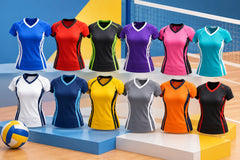
A mockup is where good ideas get tested before they become expensive problems. It shows you how the colors interact, whether the logo feels too large, if the sponsor placement is distracting, and whether the number style suits the jersey.
This is the point to make edits. Shift the crest. Darken the trim. Increase contrast. Clean up the sleeves. Those small changes are what separate average custom jerseys from the ones people notice right away.
For team buyers, mockups also make approvals easier. Coaches, athletic directors, booster groups, and club organizers can all review the same visual before the order goes into production. That saves back-and-forth later.
How to customize soccer jerseys for long-term use
If your team orders every season, think past the first game. Build a design system you can repeat and update. Keep the core colors stable. Use a logo treatment that works on home, away, and training gear. Choose fonts and number styles you can reorder without guessing next year.
That kind of consistency helps clubs look established. It also makes reorders easier when a new player joins midseason or when you want to add matching gear later. Many teams save money over time by choosing a flexible custom template instead of redesigning from scratch each season.
Durability also matters here. Sublimated jerseys are a strong option for teams that wash uniforms often and need colors, graphics, and numbers to hold up through a long schedule. If the kit has to perform in heat, rain, and repeated travel, material quality is not something to treat as optional.
For teams that want a fast, practical process, a supplier like RRR Sports America can make a big difference by combining free mockups, team pricing, and a 15-day turnaround with a wide range of soccer styles.
Keep the order process simple
The easiest custom order is the one built around clean communication. Finalize your roster, confirm sizes, gather logos in usable format, and settle the design before asking for production. If multiple people are involved, assign one decision-maker. Too many voices slow the process and create avoidable errors.
It is also smart to think one step ahead. Order a few extras if your budget allows. Teams grow, players switch numbers, and replacements are always harder when you're trying to match an older design under pressure.
A good custom soccer jersey should feel like part of the team before kickoff. It should look sharp in photos, stay comfortable through the match, and still hold up after repeated washes. If you take the time to get the colors, fit, names, numbers, and design details right, you're not just ordering uniforms - you're building a team look people will remember.