Embroidered Patches vs Printed Logos for Teams
A chest logo can make a basic team shirt look official - or make a premium uniform feel like an afterthought. When comparing embroidered patches vs printed logos, the right choice comes down to more than appearance. Your sport, garment type, logo detail, order timeline, and budget all matter.
For many clubs and schools, the answer is not one decoration method for every item. A soccer jersey, coach polo, warm-up hoodie, and supporter hat each have different needs. Choosing the right logo finish for each piece helps your team look coordinated while keeping the order practical and affordable.
Embroidered patches vs printed logos: the main difference
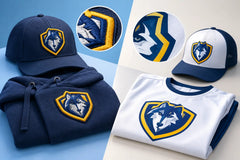
An embroidered patch uses thread stitched into a design, usually with a fabric backing. It has texture, dimension, and a classic teamwear look. The patch is then sewn or heat-applied to the garment, depending on the patch style and item.
A printed logo places the design directly onto the apparel or transfers it to the fabric. This can include screen printing, heat-applied prints, and sublimated graphics. On a fully sublimated jersey, the logo becomes part of the fabric rather than sitting on top of it.
The visual difference is easy to spot. Embroidery has raised thread and a premium, traditional feel. Printing is flatter, smoother, and often much better at reproducing fine lines, gradients, small text, and multiple colors.
Neither option automatically wins. A clean embroidered crest can elevate a coach jacket. A full-color printed club badge can look sharper and feel lighter on a match jersey.
When embroidered patches make sense
Embroidered patches are built for items that need a durable, elevated finish. They work especially well on polos, hoodies, tracksuits, jackets, caps, backpacks, and sideline apparel. These garments are generally heavier than game jerseys, so they support the weight and texture of embroidery well.
A patch is a strong choice when your logo is bold and simple. Solid shapes, block lettering, shields, mascots, and traditional club crests tend to translate beautifully into thread. The stitched finish gives the design presence from a distance, which is useful for staff apparel, travel gear, and fan merchandise.
They also create a sense of permanence. A well-made embroidered logo says this is official team gear, not a last-minute event shirt. For school programs, academy teams, and established clubs, that extra detail can reinforce pride and consistency across seasons.
The trade-offs with embroidery
Thread cannot reproduce every design exactly. Tiny lettering may become hard to read, thin lines can disappear, and color gradients need to be simplified. If your logo includes a detailed photo effect, intricate artwork, or several small elements packed together, printing will usually give you a more accurate result.
Embroidery also adds bulk. On a lightweight athletic jersey, a dense patch can feel heavier than the jersey fabric and may affect comfort, especially for players who sweat, slide, or wear the shirt for long matches. Placement matters too. A large patch on the chest can pull on thin fabric or create a stiff spot.
Cost is another consideration. Embroidered patches often require setup for the stitch file and can cost more per piece than a simple printed logo. For a small group of coach polos, that upgrade may be worth it. For hundreds of youth practice shirts, a printed option may protect your budget.
When printed logos are the better play
Printed logos are the go-to choice for most performance uniforms. They are lightweight, flexible, and ideal for sports where movement and breathability matter. Soccer jerseys, volleyball uniforms, basketball jerseys, training tops, and many athletic shirts benefit from a smooth printed or sublimated logo.
Printing gives your team more design freedom. It can capture multiple colors, fine lettering, gradients, detailed sponsor marks, and modern graphics without simplifying the artwork into stitches. If your club badge has a detailed skyline, a multi-color mascot, or small founding-year text, printing preserves those details more clearly.
For custom sublimated uniforms, printed graphics are especially effective because colors, numbers, names, patterns, and logos can be designed as one complete visual system. There is no thick layer sitting over the fabric. The result is a clean uniform that looks sharp while staying comfortable for game day.
Printed logos can also make bulk orders more affordable. When a team needs matching jerseys, warm-ups, and practice gear, printing provides an efficient way to keep branding consistent across several items and sizes.
The trade-offs with printing
Not all printing methods wear the same way. A quality sublimated logo is integrated into the fabric and will not crack or peel because there is no surface layer to lift. Heat transfers and screen prints can also perform very well, but their longevity depends on the material, application quality, and care instructions.
Printing may not give you the textured, heritage look some teams want for off-field gear. A printed logo on a premium polo can look excellent, but it will not have the same dimension as embroidery. If presentation at tournaments, travel events, or sponsor meetings is the priority, embroidered patches may be the stronger fit.
Match the logo method to the garment
The easiest way to make a smart decision is to start with how the item will be used, not just how the logo looks on a screen.
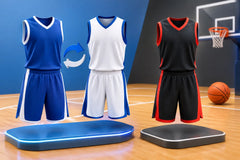
For match jerseys, prioritize comfort and performance. Sublimated or other lightweight printed logos are usually the best choice, particularly for soccer, basketball, and volleyball. Players get a smooth surface, full-color flexibility, and a design that works with names, numbers, and custom patterns.
For coach and staff polos, embroidery adds authority. A small left-chest patch creates a polished look without overwhelming the garment. It is ideal for coaches on the sideline, school staff, trainers, and club representatives.
For hoodies, tracksuits, and travel gear, either option can work. Choose embroidery for a classic crest or minimal logo. Choose printing when the design is large, colorful, detailed, or tied into a bigger graphic across the back or sleeve.
For fan apparel, think about the look supporters will wear beyond game day. Embroidered patches feel like collectible club gear. Printed logos allow more creative graphics and often keep pricing friendly for parents, students, and larger supporter groups.
Consider placement before you commit
A logo decoration method can look perfect in one location and wrong in another. Small embroidered patches are excellent on the left chest, sleeve, or cap front. They are less practical for oversized back artwork or large designs with lots of tiny detail.
Printed logos are more flexible with placement. They can work on the chest, back, sleeve, shorts, and even across a full jersey layout. This makes them a practical choice when you need a sponsor logo, player number, team name, and club badge to work together without making the uniform feel crowded.
Ask for a mockup before production. A mockup helps you judge size, contrast, logo placement, and whether text is readable from the stands. It also catches common problems, such as a dark logo disappearing into a dark jersey or an embroidered design becoming too dense for the garment.
Budget, quantity, and timeline matter
There is no reason to overspend on decoration that does not match the job. If you are outfitting a competitive club with game jerseys and travel polos, use your budget where it has the biggest impact: lightweight printed or sublimated branding on player uniforms, and embroidered patches on staff pieces.
For a one-time tournament, printed logos may offer the best balance of speed, cost, and visual impact. For an ongoing program with reusable outerwear and professional sideline apparel, embroidery can deliver long-term value.
Quantity affects the decision as well. Larger team orders often make printed designs more economical, especially when every athlete needs a number and name. Smaller, premium apparel runs can justify an embroidered finish. Production schedules vary by method and artwork complexity, so provide final logos, sizes, and placement details early. That gives your supplier time to build an accurate mockup and keep your order on track.
Keep your team identity consistent
Your jerseys do not need the same decoration method as your hoodies to look like part of the same program. Consistency comes from using the same logo files, colors, typography, and placement logic across the collection.
For example, a club can use a detailed printed crest on sublimated soccer jerseys, then use a simplified embroidered version of that crest on coach polos and tracksuits. The finishes are different, but the identity stays instantly recognizable. That is often the strongest approach for teams ordering a full apparel package.
RRR Sports America can help teams build that mix with custom uniforms, teamwear, and free mockups before production. The goal is simple: gear that looks premium, fits the sport, and stays within the budget your program actually has.
The best logo choice is the one players barely notice while they compete and everyone else remembers after the final whistle. Choose printing when detail, flexibility, and lightweight performance lead the decision. Choose embroidery when texture, tradition, and polished off-field presentation deserve the extra emphasis.