How to Create Retro Jerseys That Look Team-Ready
A retro jersey should look like it belongs to a proud team history, even if your club was founded last season. When coaches and organizers ask how to create retro jerseys, the goal is not to copy an old shirt line for line. It is to combine classic sports details with your own colors, logo, names, and numbers so the final uniform feels familiar, original, and ready for match day.
Retro works because it gives a team instant personality. A clean striped soccer kit, a bold basketball wordmark, or a color-blocked warm-up top can make players look more connected before the first whistle. The key is choosing the right vintage cues, then building them into a modern custom uniform that fits well and performs under pressure.
Start With a Real Retro Direction
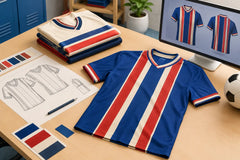
“Retro” can mean different things to different teams. A 1970s-inspired soccer jersey often uses simple stripes, a solid collar, and minimal graphics. A 1990s look may use louder geometric panels, oversized numbers, and high-contrast colors. Early 2000s designs can lean into piping, diagonal accents, and athletic color blocking.
Pick one era or visual direction before choosing colors and artwork. Mixing a traditional fold-over collar with neon graphics and a modern camouflage print can feel more random than retro. Your team does not need to recreate a specific professional club kit. In fact, original design usually gives you a stronger result and avoids making the uniform look like a copy.
Think about what fits your program. A school team may want a classic varsity feel. A competitive soccer club may prefer a European-inspired striped design. A recreational league can have more fun with bold 90s-style patterns. The right choice depends on the team’s identity, not just what is trending.
Build the Color Palette First
Color is the fastest way to make a jersey feel vintage. Start with your established team colors, then decide whether to keep them bright, deepen them, or add a heritage-style accent. Cream instead of pure white, burgundy instead of bright red, and navy instead of royal blue can create an older-school feel without changing your core brand.
Most strong retro jerseys use two or three main colors. More than that can work, especially for a 90s-inspired design, but every extra color needs a clear job. Use one dominant base color, one contrast color for stripes or panels, and one small accent for trim, names, or numbers.
For example, a navy jersey with cream stripes and gold details delivers a classic club look. A black base with red and white shoulder blocks feels more like a 90s training top. Keep the shorts and socks in mind at the same time. A great jersey can lose impact if the full uniform does not feel coordinated.
Use Contrast Where It Counts
Numbers, player names, and sponsor text must stay readable from the stands. A retro look should never make the uniform hard to identify. Put dark numbers on light areas and light numbers on dark areas. If the jersey has stripes or a busy pattern, reserve a clean panel for the number.
This matters for league rules, referee visibility, photography, and video. It also keeps the design looking premium rather than overcrowded.
Choose Classic Details That Earn Their Place
The best retro details are simple and intentional. A ribbed collar, sleeve cuff stripes, chest band, vertical pinstripes, or a large center wordmark can immediately set the tone. You only need a few of these details to create a recognizable throwback look.
Collars deserve extra attention. A V-neck usually feels athletic and clean. A crew neck works well for basketball, volleyball, and training jerseys. A polo-style collar can deliver a strong classic soccer feel, but it is not the best fit for every player or sport. Consider comfort, climate, and the movement your athletes need.
You can also use subtle visual references such as a small founding year, a city abbreviation, a vintage-style badge shape, or a simple tonal pattern. These details make a custom jersey feel more personal. They work best when they support the main design instead of competing with it.
Avoid adding every retro feature at once. A large badge, sleeve stripes, pinstripes, contrast collar, chest band, and oversized numbers may be too much for one uniform. Let one feature lead the design, then use the rest as supporting elements.
How to Create Retro Jerseys With Modern Custom Printing
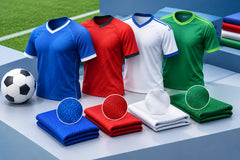
Retro style does not require old production methods. Modern sublimation gives teams much more freedom than traditional cut-and-sew uniforms. It allows you to add stripes, gradients, patterns, logos, names, and numbers directly into the jersey design while keeping the fabric light and comfortable.
That means a striped design will not feel thick or restrictive, and a detailed all-over pattern will not crack or peel after repeated wear. For teams ordering custom apparel, this is a major advantage. You get the vintage visual direction with a cleaner finish and performance-ready fabric.
Start your design process with the essentials: team name, logo, preferred colors, sport, player numbers, and any league requirements. Then decide which retro element matters most. Is it the striping? The old-school badge? The large block lettering? Give your supplier that direction early so the mockup reflects the look you actually want.
Free mockups are especially useful for team orders because they let coaches and managers see the complete jersey before production. Review the front, back, sleeves, collar, shorts, and number placement. A small adjustment on a mockup is easy. Finding out the number disappears into a shoulder panel after the jerseys arrive is not.
Select Fonts With Care
A font can make or break a retro uniform. Block varsity lettering, condensed athletic type, and simple serif styles often work well for classic looks. Choose a number font that is bold enough for officials, spectators, and photos to read quickly.
Highly decorative fonts may look exciting on a screen, but they can reduce readability from a distance. If your team name uses a script logo, balance it with straightforward player numbers. Classic style is usually strongest when the lettering is confident and easy to recognize.
Make It Custom to Your Team, Not Generic
A retro jersey becomes memorable when it tells your team’s story. Add your club crest, school mascot, city name, founding year, player names, and numbers in ways that feel connected to the design. An embroidered patch can add a traditional touch, while a sublimated badge gives you color detail without extra bulk.
For tournament teams and clubs, consider a small tagline inside the collar or near the lower hem. Keep it short. A team motto, hometown nickname, or season mark can give players a detail they appreciate without distracting from the front of the jersey.
Do not forget the goalkeeper. A goalie kit should coordinate with the field players without blending into it. Use the same badge, typography, and trim colors, then choose a distinct base color that helps referees and players identify the goalkeeper quickly.
Get Sizing and Ordering Right Before Production
A sharp design cannot fix poor sizing. Collect sizes using the supplier’s US sizing chart, especially when ordering for youth players, mixed-age teams, or new club members. Ask players to confirm their size rather than guessing based on their everyday T-shirt.
Order a few extras if your budget allows. Teams often add a late player, replace a damaged jersey, or need a spare for a tournament weekend. Keeping the design on file also makes reorders easier when new athletes join the roster.
For larger orders, organize your roster carefully. Confirm spelling, jersey numbers, sizes, and any special requests before approving the final mockup. One clean roster prevents the most common custom-order problems and helps production move faster.
RRR Sports America can help teams turn a retro concept into custom sublimated uniforms with personalized colors, logos, names, numbers, and team-ready mockups. If you have a deadline, start the design conversation early so there is time to review details without rushing your choices.
Give Your Players a Jersey They Want to Wear
The strongest retro uniforms do more than look good in a team photo. They create pride. Players notice the details when the collar feels right, the colors stand out, and the design looks different from every basic stock jersey in the league.
Choose a style that represents your team, keep the layout clean, and make every custom detail visible. A well-planned retro jersey can honor the past while giving your roster a look they will be excited to wear all season.