What Is Jersey Sublimation for Team Uniforms?
A soccer jersey with a full-front club crest, player name, number, sponsor graphic, and sharp color fade does not need five separate printing steps. With the right process, it becomes one permanent design built into the fabric. That is the practical answer to what is jersey sublimation: a way to create fully customized athletic apparel without the heavy, cracking layers common with surface-applied graphics.
For coaches, club managers, and school programs, sublimation means more control over how the team looks on game day. You can build a uniform around your exact colors, add detailed artwork, and keep every player’s number and name clear without turning the jersey into a patchwork of add-ons.
What Is Jersey Sublimation?
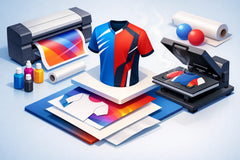
Jersey sublimation is a printing method that uses heat and pressure to transfer specially formulated dye into polyester fabric. The design begins as a digital file, is printed onto transfer paper, and is then pressed into the material at high temperature. The dye changes into a gas and bonds with the polyester fibers before returning to a solid state inside the fabric.
The key difference is that the artwork becomes part of the jersey rather than sitting on top of it. A screen-printed logo or heat-transfer number creates a layer you can feel. A sublimated logo is dyed directly into the fabric, so it stays smooth, lightweight, and breathable.
This process is especially popular for custom soccer jerseys, volleyball uniforms, basketball uniforms, goalie kits, tracksuits, and team training gear. It gives teams the freedom to use detailed patterns, gradients, striping, camouflage effects, retro layouts, and full-color graphics that would be difficult or expensive with traditional decoration methods.
How the Sublimation Process Works
A good custom uniform starts well before the press. First, the jersey design is created digitally. This is where your team can choose the base color, add a logo, position names and numbers, include a tagline, and work in sponsor artwork or sleeve details. A mockup matters because it lets the team see the full look before production begins.
Next, the design is printed in mirror image using sublimation ink and transfer paper. The paper is aligned with white polyester fabric panels, then heat pressed. Once the color is set into the fabric, the panels are cut and sewn into the finished jersey.
This cut-and-sew approach is why sublimation is so flexible. The design can run across the chest, sleeves, side panels, and back without being limited to a small print area. Instead of selecting a blank jersey and adding a few elements, you can create the entire uniform from the ground up.
Why Polyester Is Required
Sublimation works best on polyester because the dye needs polyester fibers to bond permanently. Most performance jerseys use polyester already because it is lightweight, durable, quick-drying, and suited for active play.
The method is not a match for cotton uniforms or dark cotton garments. It also works best on white or very light polyester fabric, since sublimation dye adds color but does not print a white ink layer over a dark base. If your team needs a black cotton hoodie with a bright logo, another decoration method may be the better choice. For a full-custom game jersey, polyester sublimation is usually the stronger option.
Why Teams Choose Sublimated Jerseys
The biggest benefit is design freedom. A team is not restricted to stock colors, basic stripes, or a small chest logo. You can match club colors closely, build a modern pattern into the fabric, use a classic pinstripe look, or create a retro jersey with updated performance materials.
Durability is another major advantage. Because the color is embedded in the fibers, it will not peel, crack, or feel stiff after repeated washing. Names, numbers, and logos stay part of the jersey through practices, tournaments, road trips, and regular laundry cycles. That matters for programs ordering uniforms meant to last beyond a single season.
Sublimated jerseys also stay light. There is no thick vinyl number on the back or layered ink across the front trapping heat against the player. For soccer, volleyball, basketball, and other high-movement sports, that smoother feel can make a noticeable difference.
Customization is simpler, too. Each player can receive a different name and number without forcing the team into a separate decoration process for every jersey. That is ideal for rosters that change, clubs managing multiple age groups, and teams that need a consistent look across home, away, training, and fan apparel.
Sublimation vs. Screen Printing and Heat Transfers
Screen printing remains a solid option for simple artwork on cotton shirts, event tees, or basic fanwear orders. It can be cost-effective when every garment uses the same one- or two-color design. But large, multi-color jersey artwork may require multiple screens and layers of ink, adding weight and limiting the design.
Heat transfers are useful for quick numbers, names, or short-run personalization on ready-made garments. They can be a practical solution when timing is tight or the garment is not suitable for sublimation. The trade-off is that the graphic is still an applied layer. Over time, edges can lift or the material can show wear, especially with frequent athletic use.
Sublimation costs can be different from a basic stock jersey with one printed logo, particularly for very small quantities. However, it often delivers better value when the team wants a complete custom look with multiple colors, individual names and numbers, and artwork across the entire uniform. The right choice depends on the garment, design complexity, order size, and deadline.
What Can You Customize on a Sublimated Jersey?
Nearly every visible part of a performance jersey can be planned around your team identity. That includes the primary colors, contrast panels, collar style, sleeve pattern, logo placement, player names, numbers, sponsor marks, and small details such as a team motto inside the collar area.
Teams can also coordinate beyond the game jersey. A complete program may use matching sublimated shorts, warm-up tops, goalie kits, tracksuits, polos, and hoodies. The goal is not just to put players in uniforms. It is to create a clear, organized identity from arrival at the field to post-game travel.
For best results, provide a clean version of your logo whenever possible. Vector artwork is ideal, but a high-resolution file can also help produce sharper results. Confirm spelling, player numbers, and size selections before approval. A good proofing stage prevents the expensive problems that happen when a roster changes after production starts.
Choosing the Right Sublimated Uniform for Your Team
Start with the sport and the conditions your athletes play in. Soccer teams may want breathable lightweight fabric and a fitted but mobile cut. Basketball teams often prefer a sleeveless or wider-arm design. Volleyball uniforms need movement-friendly construction, while goalie kits may call for bolder colors and long sleeves.
Then think about how long the uniform needs to serve the program. A recreational league may prioritize a clean design and affordable bulk pricing. A competitive club may need home and away sets, matching training apparel, and a repeatable design system for future players. US sizing, clear mockups, and direct communication all make that planning easier.
Production time should be part of the conversation from day one. Custom work requires design approval, roster confirmation, printing, sewing, and shipping. If you have a tournament, school season, or club launch date, organize artwork and sizing early. RRR Sports America helps teams move from an idea to a coordinated custom look with free mockups, team-order value, and a stated 15-day turnaround.
A jersey should do more than display a number. When color, crest, name, and design work together, players walk onto the field looking like one unit before the first whistle even blows.