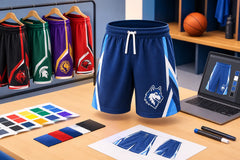
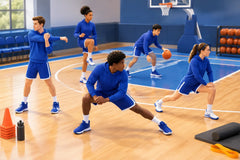
Team Apparel Wholesale Buying Guide
When a season start date is locked in, a tournament is on the calendar, and parents are already asking where to buy extras, a rushed uniform order gets expensive fast. This team apparel wholesale buying guide is built for coaches, club directors, school buyers, and team managers who need custom gear that looks sharp, fits right, and arrives on time without blowing the budget.
Buying teamwear in bulk is not just about finding the lowest per-piece price. It is about balancing customization, production speed, sizing accuracy, reorder flexibility, and overall presentation. A cheap order that fades, fits badly, or misses your event date is not a good deal. A slightly higher quote with better sublimation, clear communication, and faster turnaround often saves money and stress.
How to use this team apparel wholesale buying guide
Start with your real use case, not just the product category. A travel soccer club needs different apparel than a school basketball program or a rec league ordering fan hoodies. Some teams need full game kits with home and away options. Others need warm-ups, polos for staff, training shirts, and supporter gear alongside uniforms.
That matters because wholesale buying gets easier when you build the order around the season. Ask what players need for competition, what coaches need for travel days, and what supporters are likely to buy. If you treat every item as a separate last-minute purchase, costs stack up and branding gets inconsistent.
The strongest bulk orders usually include a core set of must-haves and a second layer of optional items. For example, match jerseys and shorts may be non-negotiable, while hoodies, tracksuits, and backpacks can be offered as add-ons. This approach protects the budget while still giving the team a complete look.
Price matters, but value matters more
Wholesale buyers naturally focus on price breaks, and they should. Bulk discounts are one of the main reasons to order team apparel through a custom supplier instead of piecing items together from different sources. But the quote only tells part of the story.
Ask what is included in the price. Some suppliers advertise a low starting rate, then add fees for names, numbers, logos, design edits, patches, or shipping. Others include more upfront, which makes comparing quotes much easier. A clean wholesale order should be easy to understand before you approve anything.
Customization also affects value. Sublimated apparel often gives teams more freedom because colors, patterns, logos, and numbers can be built directly into the garment design. That can create a premium look without the layered cost of separate decoration methods. For clubs and schools that want bold identity at scale, this is often the smarter long-term buy.
There is also a trade-off between ultra-low pricing and consistency. If one batch looks great but reorders come back in a different shade or fit, the savings disappear. Team buyers should think beyond the first invoice and consider whether the supplier can support the whole season.
Choose the right apparel mix for your program
Not every team needs the same wholesale package. Soccer programs may prioritize jerseys, shorts, goalie kits, training tops, and tracksuits. Volleyball teams may focus on game uniforms, warm-up hoodies, and staff polos. Basketball programs often want reversible options, shooting shirts, and travel gear.
The key is to avoid ordering based on what looks good in a catalog alone. Order based on how your team actually shows up. What do players wear on game day, at practice, during travel, and at team events? What do coaches need on the sideline? What gear helps your program look organized in photos, at tournaments, and in front of parents and sponsors?
This is where a supplier with a broad catalog helps. If you can handle uniforms, outerwear, and branded extras in one order, you usually get better visual consistency and a simpler approval process.
Sizing is where bulk orders go right or wrong
A great design cannot fix bad sizing. For wholesale team apparel, sizing accuracy is one of the biggest factors in customer satisfaction because one mistake affects dozens of people at once. That is why buyers should confirm whether sizing is based on US standards and how youth and adult cuts are handled.
Do not assume every manufacturer fits the same. Some runs are athletic and tapered. Others are relaxed. Goalkeeper kits, compression pieces, and outerwear may all fit differently. If your roster includes younger players, linemen, tall athletes, or a mixed staff order, sizing conversations should happen early.
It also helps to decide who is responsible for collecting sizes. Teams that leave this to the last second usually end up guessing, and guessing leads to exchanges no one wants to manage. A simple size collection process is better than chasing corrections after production begins.
Turnaround time is not a small detail
One of the most common mistakes in wholesale buying is treating production time like a side note. It should be a deciding factor. If your team has a first game, media day, fundraiser, or travel date coming up, the production window matters just as much as the design.
Fast turnaround is valuable, but only if it is real. Ask when the clock starts. Is it after payment, after final art approval, or after roster details are submitted? That difference can change your timeline by days. Teams ordering custom apparel should also leave room for final checks, shipping, and distribution.
This is especially important for buyers who need personalized names and numbers. Once custom details are attached to individual pieces, accuracy and timing become more important. A supplier that offers clear communication, mockup approval, and dependable production scheduling gives team managers much better control.
Design approval should be simple and specific
A bulk order moves faster when the design process is clear. Buyers should expect a mockup before production, especially for custom sublimated uniforms and branded teamwear. That proof is where you verify colors, logo placement, number style, player names, and any add-ons like taglines or patches.
This is not the time for vague approval. Check every visible detail. Make sure the team name is spelled correctly, sponsor logos are placed properly, and color combinations match your actual brand. If the team has home and away versions, compare them side by side.
Good suppliers make this process easier by giving buyers visual clarity early. That matters because fixing a mockup is simple. Fixing a full production run is not.
Reorders and growth planning matter more than most buyers expect
A strong team apparel wholesale buying guide has to address the next order, not just the first one. Teams add players midseason. Clubs expand age groups. Schools need staff extras. Parents want second jerseys. If your supplier cannot support reorders smoothly, your program ends up with mismatched gear.
Ask whether the same design can be repeated later and whether color consistency is maintained across future runs. Also ask about minimums. Some suppliers are great for large opening orders but hard to work with when you need a smaller follow-up order.
This is where working with a custom-focused supplier can pay off. If the system is built around personalized team orders instead of generic stock apparel, your program usually gets better continuity.
Communication is part of the product
Team buyers do not just purchase shirts and uniforms. They purchase reliability. That means communication should be fast, direct, and useful. If it takes too long to get answers before the sale, expect the same after the invoice is paid.
Look for a supplier that can answer practical questions quickly: minimums, artwork setup, size ranges, shipping timing, customization limits, and wholesale pricing structure. Direct communication matters because bulk orders often include moving parts. A fast reply can prevent a costly mistake.
This is one reason many clubs and schools prefer suppliers that combine ecommerce ordering with hands-on support. The convenience of browsing products is helpful, but real order confidence comes from being able to confirm details before production starts.
What smart buyers check before placing the order
Before approving a wholesale order, confirm the full product list, decoration details, final quantities, sizes, spelling, deadlines, and shipping destination. Make sure there is no confusion around what is included and what costs extra. If your order covers multiple teams or age groups, label each group clearly before submission.
It also helps to think about presentation. Matching uniforms are the foundation, but coordinated polos, hoodies, and tracksuits can make a program look more established without requiring a massive spend. When ordered strategically, these extras strengthen team identity and create more value from one design system.
For buyers who want customization, speed, and wholesale pricing in one place, a supplier like RRR Sports America fits that need well because the model is built around premium-looking custom apparel, free mockups, and a fast team-order process.
The best wholesale order is not the flashiest one. It is the one that shows up on time, fits your team, carries your colors with confidence, and makes everyone from players to coaches to supporters feel like they belong to the same program.