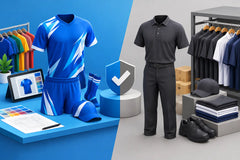
Club Teamwear Budget Guide for Smarter Orders
A missed deadline, a surprise rush charge, or six players needing last-minute size changes can turn a simple uniform order into a budget problem fast. This club teamwear budget guide helps coaches, managers, and club organizers plan custom gear with control from the first roster count to the final delivery.
The goal is not to buy the cheapest jersey available. It is to get a sharp, durable team look that players are proud to wear, while keeping the full order realistic for families, schools, and club finances. Smart budgeting gives your team room for custom colors, names, numbers, and the extra pieces that make everyone look united on game day.
Start With the Season, Not the Jersey Price
A jersey price only tells part of the story. Build your budget around the full season and the role each item plays. A competitive soccer club may need home and away kits, goalie uniforms, socks, warm-up tops, and travel gear. A recreational team may only need a jersey, shorts, and numbers. Both are valid approaches, but they should not be budgeted the same way.
Before comparing styles, decide what every player must receive and what can be optional. Required items should support game-day rules, player comfort, and a consistent club image. Optional items can include hoodies, polos for coaches, tracksuits, fan shirts, and embroidered patches. Separating those categories protects the essential uniform budget first.
It also helps to decide whether your order is for one season or multiple seasons. A clean, timeless design can work for two or three years, making replacements easier and avoiding a full redesign every season. A highly specific tournament design may create excitement, but it can be harder to match when new players join later.
Build Your Club Teamwear Budget in Cost Buckets
A reliable budget needs more than one total number. Break the order into clear cost buckets so you can see where adjustments will have the biggest effect. For most teamwear orders, account for these five areas:
- Core uniforms: jerseys, shorts, socks, and goalie kits
- Personalization: player names, numbers, logos, sponsor graphics, and patches
- Team extras: tracksuits, hoodies, polos, bags, or warm-up apparel
- Ordering needs: shipping, taxes, replacement pieces, and any rush timing
- Contingency: a reserve for late roster additions, sizing swaps, and unexpected needs
For a club with several age groups, use a shared design system. Keep the main colors, logo placement, and font style consistent, then differentiate teams with a secondary color or age-group label. This creates a professional club identity and can simplify reorders.
Set a Per-Player Target Before You Customize
Once you know what is required, set a target cost per player. This gives every design choice a practical test. If your target is $90 per player for a complete soccer kit, decide how that amount is divided between jersey, shorts, socks, personalization, and a small reserve.
Do not assume all players need identical packages. Goalkeepers often need a different kit, and coaches may need polos or sideline jackets rather than player jerseys. Build those differences into the total instead of spreading their cost across the roster without a plan.
If parents are paying individually, communicate the package and deadline early. A simple message that explains exactly what is included prevents confusion later: one personalized jersey, one pair of shorts, socks, and a required number. If a hoodie is optional, label it optional. Clear choices protect both your budget and your order deadline.
Use Customization Where It Creates the Most Value
Custom teamwear should look like it belongs to your club, not like a generic shirt with a number added at the last minute. Sublimated uniforms are especially valuable when your design includes multiple colors, patterns, sponsor details, or full-coverage graphics because the artwork is built into the fabric.
Still, more customization is not always the better budget choice. A detailed all-over pattern may be worth it for a flagship travel team or a club-wide identity refresh. For a first-year recreational team, a bold color layout, clear logo placement, and durable numbers may deliver the right result at a more comfortable price point.
Prioritize the details people see first: your club colors, logo, player number, and readable name treatment if names are part of the plan. Avoid cramming every slogan, sponsor, and social handle onto the uniform. A cleaner layout looks more premium and is easier to approve across coaches, players, and parents.
Free mockups are valuable here. Review the mockup with the same care you would give the finished uniform. Check spelling, number placement, logo size, contrast, and whether the colors match the club standard. Approval errors are costly because production may be correct even when the submitted information was not.
Size Early and Order With a Roster Buffer
Sizing mistakes are one of the fastest ways to spend beyond plan. Collect sizes before finalizing quantities, not after the design is approved. Give players a firm deadline, provide a size chart, and remind families that custom apparel is often made specifically for the order.
US sizing is particularly helpful when your roster includes youth, adult, and coach apparel, but do not guess based on age alone. Ask for actual size selections. For growing players, coaches should use judgment. Ordering a slightly roomier youth size can make sense for a long season, while an oversized fit may affect performance in sports that require close-fitting uniforms.
Keep a simple roster sheet with player name, number, jersey size, short size, and any special item such as a goalie kit. Confirm duplicate numbers before the order goes into production. If league rules require specific numbering or color contrast, check that before approving artwork.
For larger clubs, designate one person to collect the final roster. Too many people editing sizes and numbers leads to errors. One organized order contact creates faster approvals and clearer communication.
Timing Is a Budget Decision
Fast turnaround is a major advantage, especially when a new team forms close to the season. But the best way to control costs and stress is still to order before you are under pressure. Start gathering sizes and design feedback weeks before the first match, tournament, or school deadline.
A 15-day turnaround can be a strong solution when time is tight, but allow extra time for mockup approval, roster changes, and shipping. The production clock usually cannot start until details are confirmed. Waiting until the final week may limit your design choices or force expensive backup options.
Set internal deadlines that are earlier than the actual need-by date. For example, if uniforms are needed August 20, aim to lock sizes and artwork by late July. That buffer gives you space to correct a name spelling, add a late player, or handle a delivery issue without panic.
Compare Value, Not Just the Lowest Quote
When reviewing quotes, compare what is actually included. One supplier may show a lower base price but charge separately for names, numbers, design work, or shipping. Another may include more customization and provide a free mockup, making the total easier to predict.
Ask whether the fabric, print method, sizing, minimum quantity, and production schedule fit your needs. A low-price uniform that fades quickly or arrives after the tournament is not a bargain. The right order balances visible quality, comfort, customization, and dependable timing.
Team discounts and wholesale pricing can make a major difference on larger orders. If your club needs uniforms, warm-ups, coach polos, and supporter gear, ask for the full package price rather than buying each piece separately. A consolidated order can reduce the per-item cost and keep colors consistent across the entire club.
Make Reorders Part of the Original Plan
The most budget-friendly uniform program is easy to repeat. Save the approved artwork, color references, logo files, roster format, and size records after the first order. When a new player arrives, you should not need to rebuild the design from scratch.
Choose a design that can accept new numbers and names without looking dated. If sponsor logos are involved, confirm how long those agreements last before putting them on a multi-year uniform. This small step can prevent a costly redesign next season.
For clubs that want premium-looking custom apparel without losing control of the numbers, RRR Sports America can help turn a roster and a design idea into a clear team order with free mockups, bulk value, and direct support. Start with your real needs, keep a small buffer, and let every piece of teamwear earn its place in the budget.